Video Surveillance for Colorado Homes This Holiday Season
Yes — a professionally installed camera system can watch your porch, driveway, garage and outbuildings through a Colorado winter, including the weeks around the holidays when package theft and short daylight hours line up at the same time. The short version: cold doesn't stop a wired or hardwired-power camera, snow can block a lens if it's mounted wrong, and a system planned for your actual property beats a single battery doorbell camera facing the wrong direction.
Does package theft really get worse in Colorado over the holidays?
Every year the same pattern shows up: more packages sitting on porches, shorter daylight hours, and more people traveling for the holidays with nobody home to bring deliveries inside. None of that is unique to Colorado, but our winters add a wrinkle — a porch package can sit under falling snow for hours before anyone notices it, which is its own kind of invitation. Front Range neighborhoods from Longmont and Loveland to Boulder and Fort Collins see the same seasonal bump in doorbell-camera and surveillance calls every November and December.
The homeowners who call us this time of year usually aren't worried about a single stolen box. They want to know their property is covered while they're at work during a dark 5 p.m., or away over the holidays visiting family, without having to think about it.
Does snow or cold weather affect a camera's night vision or battery life?
Cold temperatures are hard on battery-powered cameras specifically — like any lithium battery, the ones inside consumer doorbell and stick-up cameras lose capacity in freezing weather, which is why a battery camera that worked fine in October can start dropping clips or going offline in January. A camera wired for continuous power doesn't have that problem, since it's never relying on a battery to begin with.
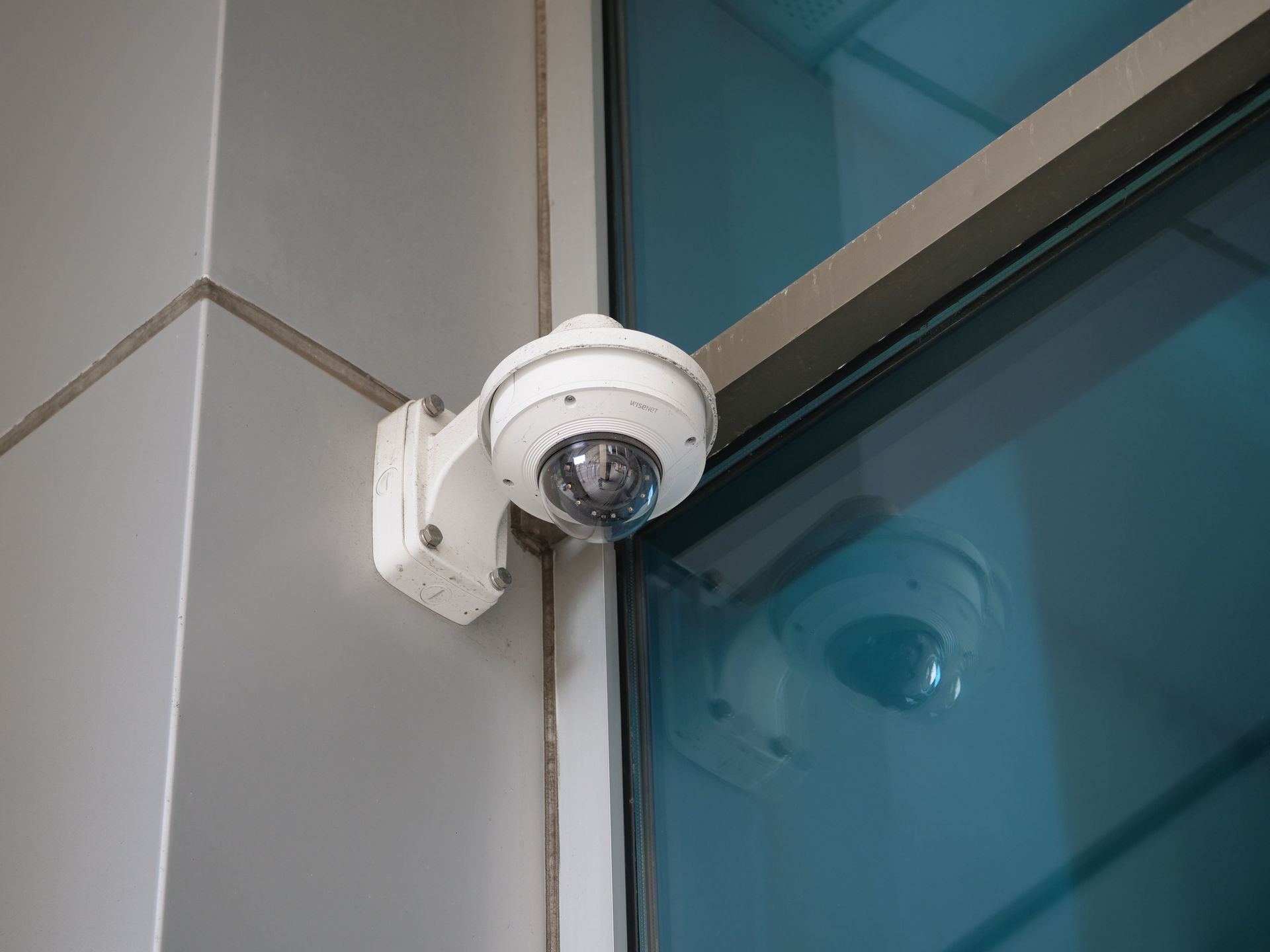
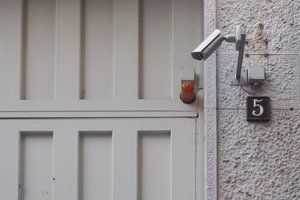
Snow causes a different, more common issue: a camera mounted flat against a soffit or wall can end up with snow or ice sitting directly on the lens after a storm, which blinds it completely until someone clears it off. Positioning and angle matter as much as the camera itself — a mount with a bit of downward tilt and overhang sheds snow far better than one mounted level, and it's the kind of detail that's easy to get wrong on a DIY install and easy to get right when someone experienced sets the mount.
Can one system cover my house, garage, driveway and a detached barn or shop?
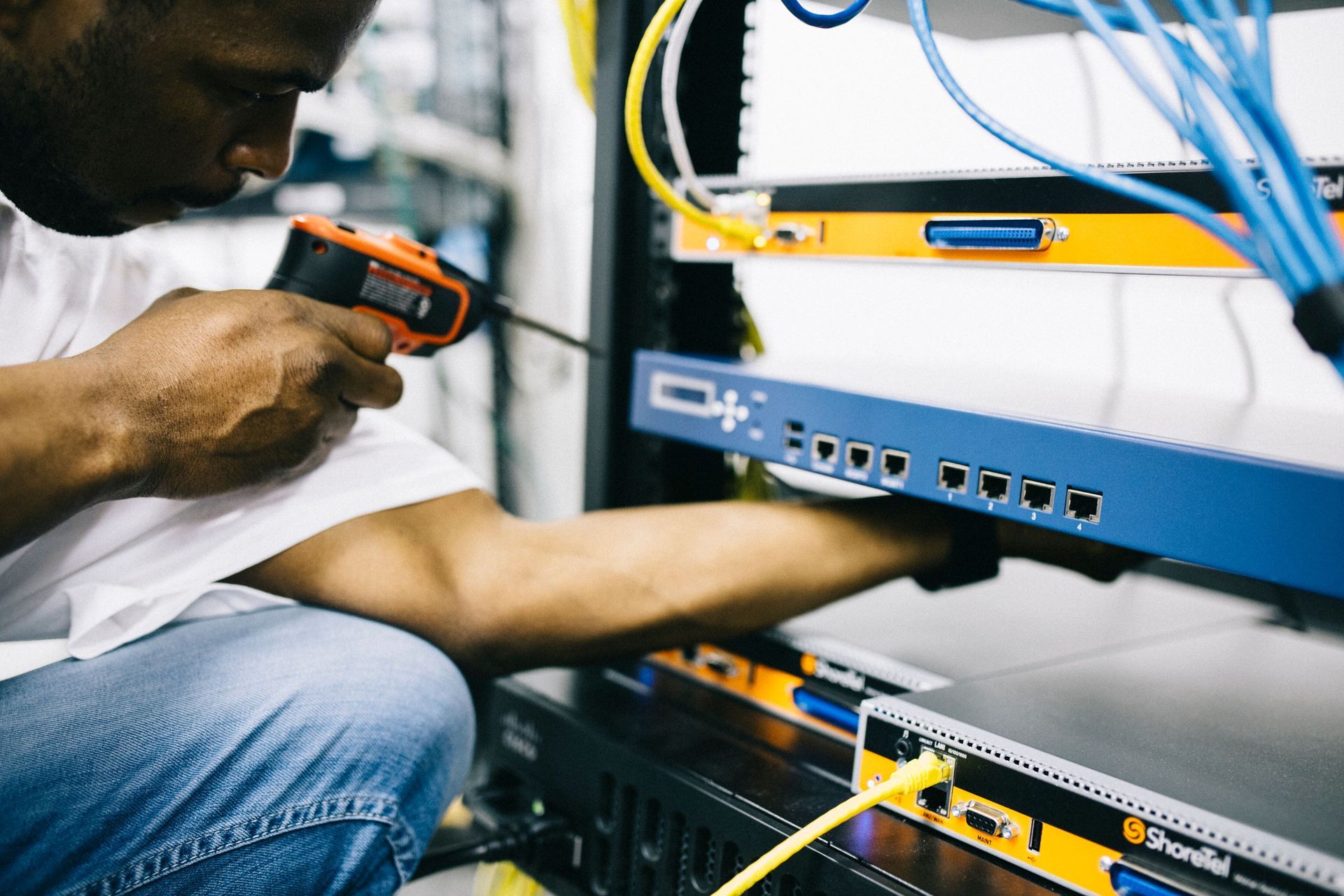
Yes, and this is one of the most common requests we get outside city limits. A lot of Front Range and foothill properties aren't just a house — there's a detached garage, a barn, a shop building, or a long gravel driveway that a single doorbell camera has no hope of covering. Because we already run structured low-voltage wiring and network cabling for a living, extending the network out to a detached building is something we handle regularly, either with a trenched, hardwired line or a point-to-point wireless bridge, depending on the distance and the property. We don't run new electrical service to the building — it still needs its own power source — but once the network reaches it, that connection can carry the camera's footage and, if it's useful, extend the site's internet connection out there too. That means a camera on the shop or barn can show up in the same app as the one on your front door, instead of running as a separate, battery-powered afterthought.
I'm in the foothills or mountains and only have Starlink — will cameras still work?
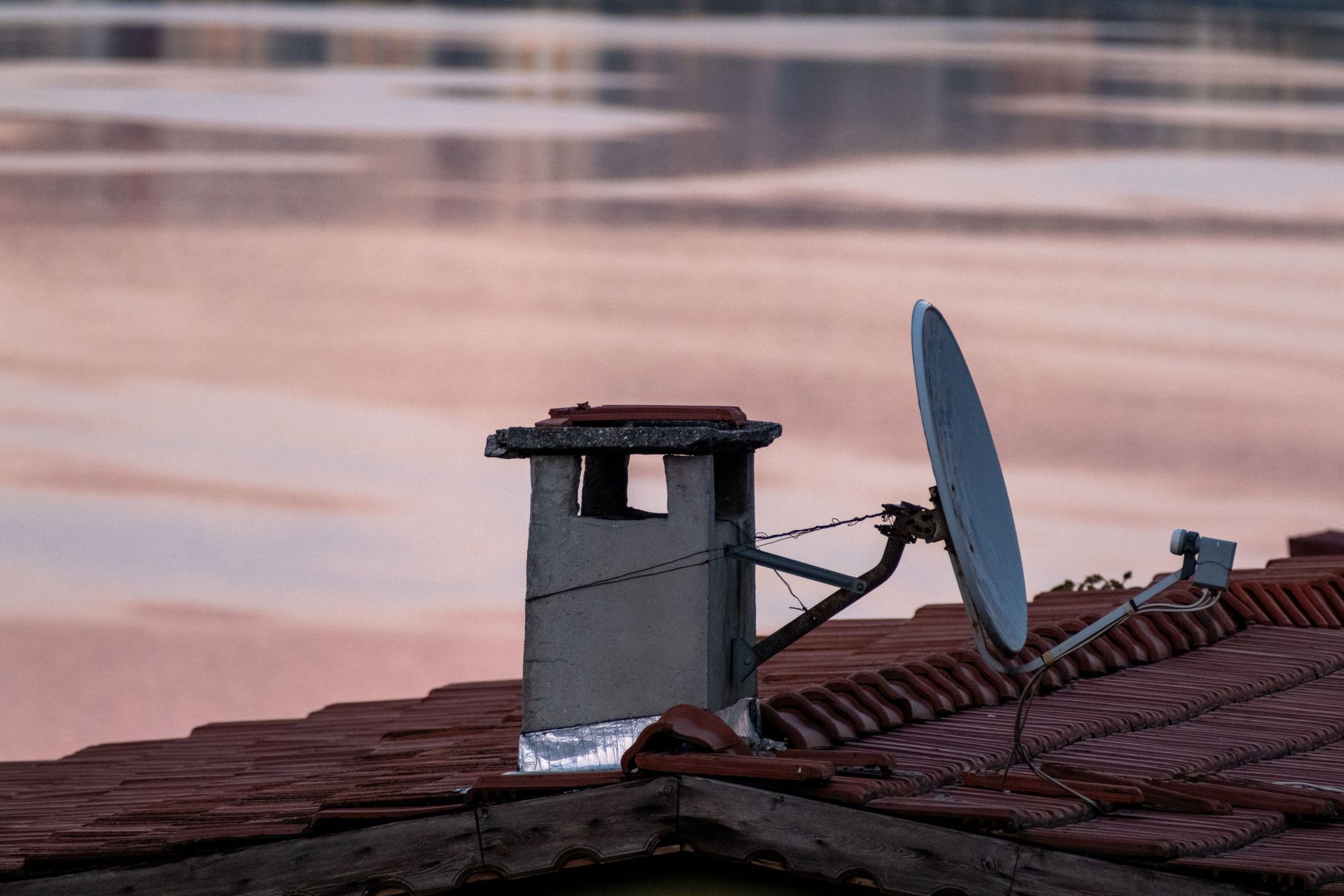
Yes. Camera footage and remote viewing both ride on whatever internet connection is already in the house, and for a lot of mountain and foothill properties — places like Ward, Allenspark, Jamestown, Lyons, Estes Park and the Red Feather Lakes area, where cable and fiber often don't reach — that connection is Starlink. We install cameras and networking together on these properties regularly, and we've covered the winter-specific side of keeping that connection reliable in our guide to Starlink in a Colorado winter. A camera system is only as dependable as the network behind it, so on a property without wired internet, getting that part right comes first.
Is a video doorbell enough, or do I need a full system?
For some homes, a single quality doorbell camera genuinely is enough — a small lot with one approach to the front door doesn't need four cameras to cover it. The honest answer depends on the property: anything with a side door, a detached garage, a long driveway, or a backyard that isn't visible from the front needs more than one camera to actually see the areas where a package, a vehicle, or a person could go unnoticed. We'll look at the actual layout of your property before recommending more hardware than you need.
Is my job too small, or is this overkill for one house?
There's no minimum job size — we install single-camera doorbell setups and full multi-building systems in the same week, and we'd rather look at your property and tell you honestly if one camera covers it than oversell a bigger system. Businesses juggling the same question across more than one location can see how we approach it at scale in our guide to surveillance for multi-site businesses.
Frequently asked questions
Does a wired camera really perform better than a battery camera in winter? In cold weather, yes — a hardwired camera doesn't depend on a battery that loses capacity as temperatures drop, so it keeps recording continuously instead of dropping clips or going offline.
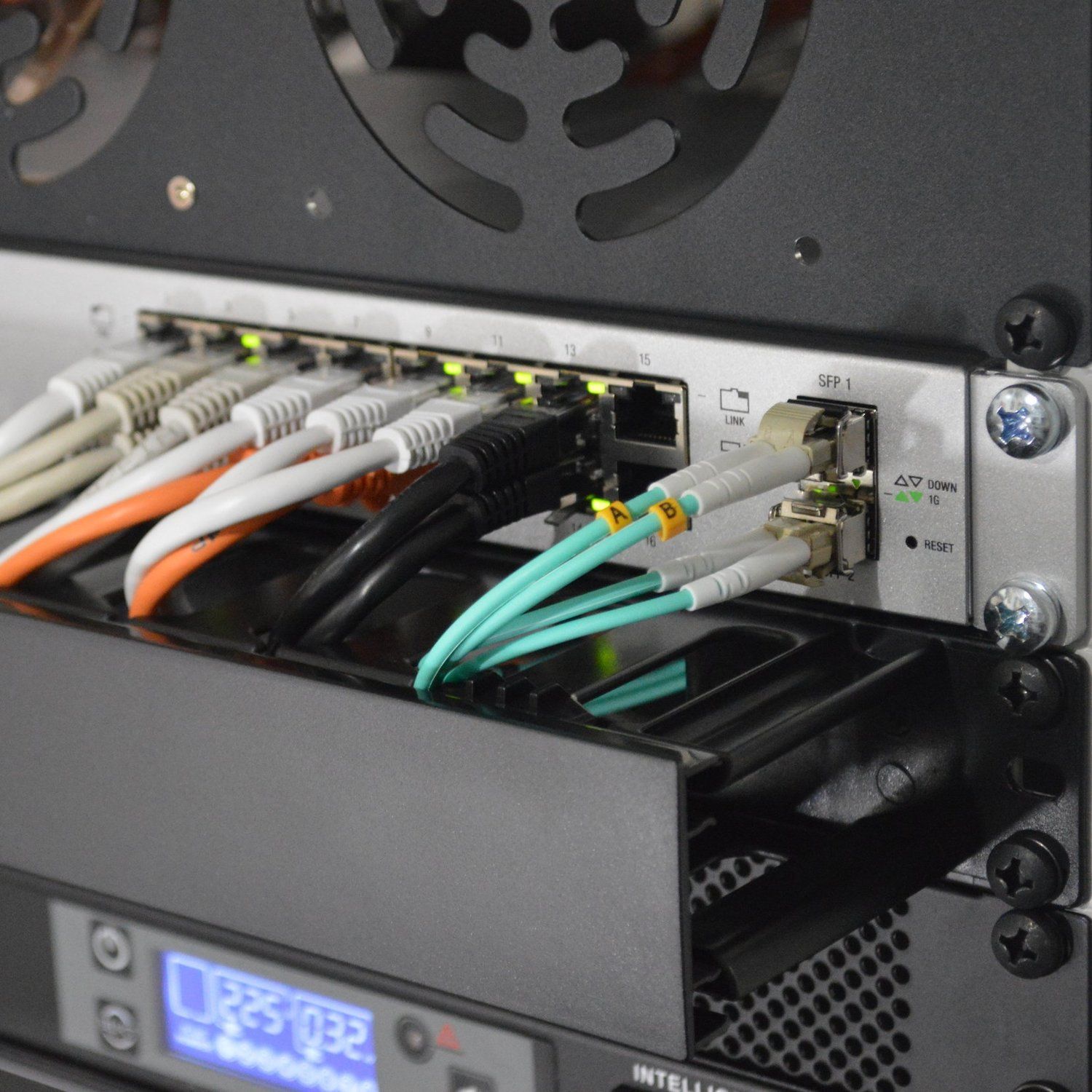
Can you add cameras to a system I already have, like a Ring or an existing doorbell camera? Typically no. Systems like Ring run on their own wireless protocols to send footage offsite, which also tends to slow down the rest of the home or business network, so we usually keep our cameras on their own wired connection instead. We'll still take a look at what's already in place before recommending anything, since what's possible depends on the specific setup.
Do I need a new internet plan to add cameras? Not usually. Cameras typically run on whatever internet connection the house already has, whether that's cable, fiber or Starlink — the main consideration is whether the existing network and Wi-Fi coverage reach every camera location, which we check as part of the install.
Will a camera mounted under an eave still get covered in snow? It's far less likely than one mounted flat on a wall, but mount choice and angle both matter — we position cameras to shed snow and avoid obstructions rather than just picking the most convenient spot to mount them.
Do you serve areas outside Longmont and Boulder? Yes — our service area runs from Cheyenne, Wyoming down to Fort Morgan, and from Evergreen and Conifer over to south Denver, with travel further than that available depending on distance.
Is there a best time of year to get this done — now, or wait until spring? Now, if the goal is coverage through this winter and the holidays. Installing before the first major snow means the system is already proven and working, instead of being set up in the middle of a storm.
If packages, a detached garage, or a blind spot on your property have been on your mind this fall, now is the time to get it looked at before the first real snow hits. Request a free estimate and we'll walk the property with you and recommend only what it actually needs.